
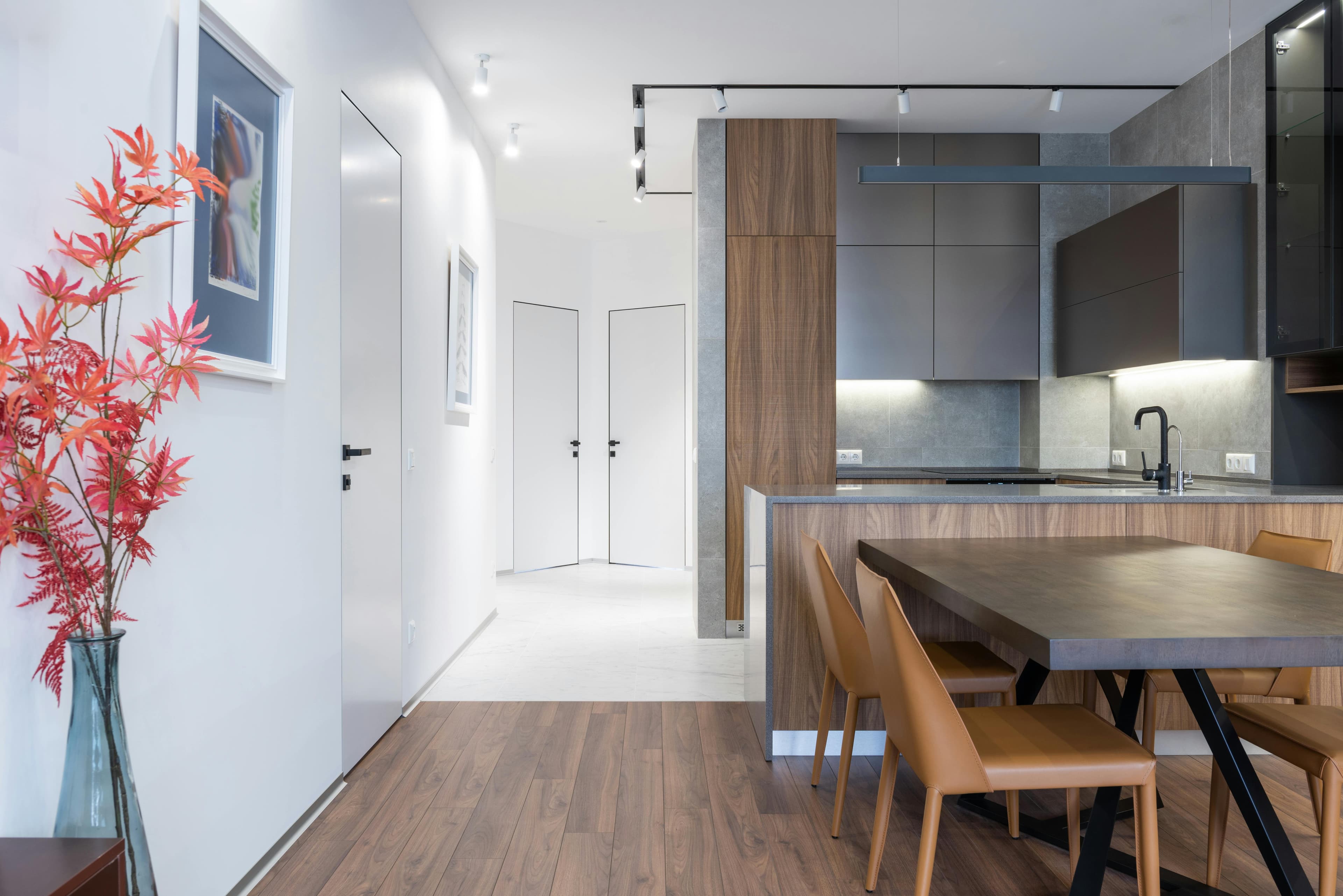
UK Home Glow-Up Trends in 2026: What's Actually Happening
From woven laundry baskets to draught excluders, this guide explores the 2026 UK home glow-up trend and how people are applying it in real life.
Ava Bennett · 2026-04-24 · 9 min read
Your Home Called. It Wants a Glow-Up. Here's What Britain Is Actually Doing About It in 2026.
There is a new interior design trend in Britain. It does not have a particularly tidy name, which is perhaps fitting given what it is actually about. Designers at Livingetc are calling it "found luxury." Ideal Home calls it the "joy-first home." The people actually living it just call it making their home feel nice - which, it turns out, is a revolutionary act in 2026.
Here is what is happening. After years of aggressively minimal interiors - everything pale, everything matched, everything curated within an inch of its life - British homes are quietly going in the opposite direction. Warmer. More layered. More personal. More honest about the fact that real people live in these spaces and their belongings should look like they belong.
The shift the British editorial press is now describing is "found luxury": warm, layered, characterful rooms that look collected over decades rather than commissioned in a season. It is the opposite of beige restraint. It is the anti-Pinterest-board. And it is producing the most interesting British home interiors in years.
More importantly for anyone who actually wants to do something with their home rather than just read about trends: it is achievable without a renovation budget. The found luxury direction is built from objects, materials, and small practical decisions - not from structural changes and designer invoices.
This is a guide to what that actually looks like, room by room, product by product, in a real British home in 2026.
The Mindset Shift First: Why "Found" Beats "Curated"
The quiet luxury trend that dominated 2024 and 2025 was essentially about restraint: fewer things, better things, nothing that shouted. It was beautiful in the right hands and deeply impractical for anyone with children, a laundry situation, or more than four square metres of living space.
Found luxury is a mindset we can all follow when decorating our homes - achieved by slowly collecting objects over time, its thoughtful layers make it feel luxurious and all the more livable.
The practical difference: found luxury does not require you to throw anything away. It requires you to choose things with a bit more intention going forward - and to stop apologising for the functional stuff.
Your laundry basket is a perfect example. In the quiet luxury playbook, the laundry basket gets hidden behind a door or inside a wardrobe because it is a functional object and functional objects are aesthetically embarrassing. In the found luxury playbook, you buy a woven laundry basket made from natural rattan or seagrass, put it in the corner where it lives, and it becomes part of the room rather than a problem the room has to solve. Same function. Completely different relationship with the space.
"The idea that wellbeing interiors look beige, quiet and somewhat sterile is firmly on its way out," explains Dewi Pinatih, Head of Product Design Trends at trend forecaster Stylus. "More consumers are discovering the joy in interiors that reflect their personality, heritage and interests. 2026 is all about creating a lived-in atmosphere for interiors where happy memories are made."
The laundry basket that looks like it belongs. The wash basket that earns its corner. The fabric laundry basket that you actually like looking at. These are the found luxury objects - and they are the ones that make the trend accessible to everyone, not just people with interior designers on speed dial.
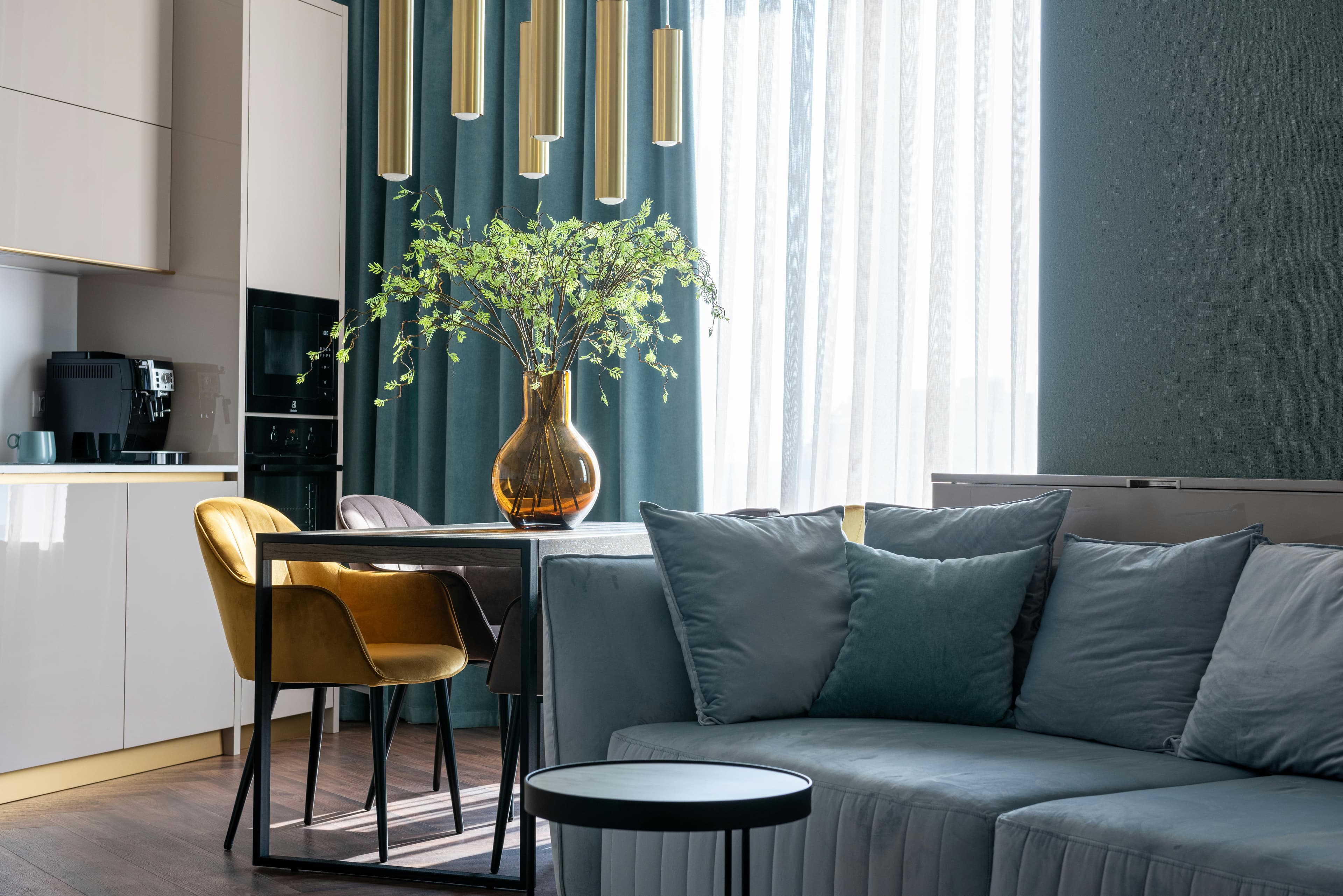 Found luxury in practice - a woven basket that looks like it was always meant to be there.
Room By Room: What the Trend Actually Looks Like
The Bedroom: Where the Laundry Basket Finally Gets Its Moment
The bedroom is ground zero for the found luxury shift - and the laundry basket is at the centre of it. This sounds absurd until you consider that the laundry basket is one of the few objects that lives on the floor of most bedrooms permanently and yet has historically been chosen with roughly the same care as a carrier bag.
Nearly a third of UK consumers have cut back on home spending over the past year, with consumers increasingly prioritising price, quality and long-term product guarantees. Which means people are buying fewer things and thinking more carefully about each one. A large laundry basket gets scrutinised in a way it never was when everything was cheap and disposable.
The bedroom direction in 2026 is warm and natural: walnut, smoked oak, linen, seagrass, cotton rope. The pale Scandi-bleached aesthetic is giving way to materials with more character - more texture, more warmth, more of a sense that they have been somewhere and will still look good in ten years.
A wicker laundry basket or woven laundry hamper in seagrass or rattan hits exactly this brief. It is natural, it ages gracefully, it ventilates the laundry inside it (which matters more than most people realise), and it looks like it was chosen rather than inherited from a previous life.
The found luxury bedroom approach applied to laundry storage:
If the basket has a lid, use it - a laundry basket with a lid in natural wicker or a cream laundry basket in fabric keeps laundry invisible while keeping the material visible. The object stays on display. Its contents do not.
If the basket is open, make it beautiful enough to earn the visibility. A large woven laundry basket in seagrass or rattan, placed in the corner it belongs in, looks like a deliberate home choice. A plastic bin in the same corner does not.
For smaller bedrooms, a small laundry basket in a fabric laundry basket format that folds flat between washes is the found luxury move - the basket earns its keep, then steps aside. A foldable laundry basket or collapsible laundry basket slides under the bed or behind the door when not needed, which is exactly what a small space requires.
The Bathroom: The Spa Brief Goes Everyday
Spa bathrooms focus on luxury and wellness and usually feature natural materials such as marble, polished stone, and wood. Alongside these harder materials, softer furnishings such as towels, dressing gowns and bathroom mats are often found in a spa bathroom to add warmth and create a relaxing space.
The spa bathroom is the most searched bathroom aesthetic in the UK in 2026 - and it is filtering down from design magazines into ordinary British bathrooms at pace. The interesting thing is that the core of the spa bathroom look is not expensive. It is about material choices and the absence of things that contradict the brief.
A white plastic laundry bin contradicts the brief. A woven laundry basket with a lid in seagrass or natural rattan does not - it belongs in a spa bathroom in a way that feels obvious the moment you see it.
For a bathroom going for the spa aesthetic on a real-world budget:
-
Swap the plastic laundry bin for a small wicker laundry basket with lid. Natural material, naturally breathable, keeps laundry contained and invisible. Under £40. Takes thirty seconds to install (you just put it down).
-
Add a grey laundry basket or cream laundry basket in fabric if the bathroom runs contemporary or minimal rather than natural. The colour palette of 2026 spa bathrooms is warm neutral - cream, stone, warm white, warm grey - and a fabric laundry hamper in those tones sits correctly in the space.
-
Do not underestimate what a laundry bag can do in a bathroom that lacks floor space entirely. A properly made laundry bag in natural fabric, hung behind the door, takes up zero floor space and keeps the bathroom clean in the spa-bathroom sense of clean: uncluttered, organised, nothing on the floor that does not need to be there.
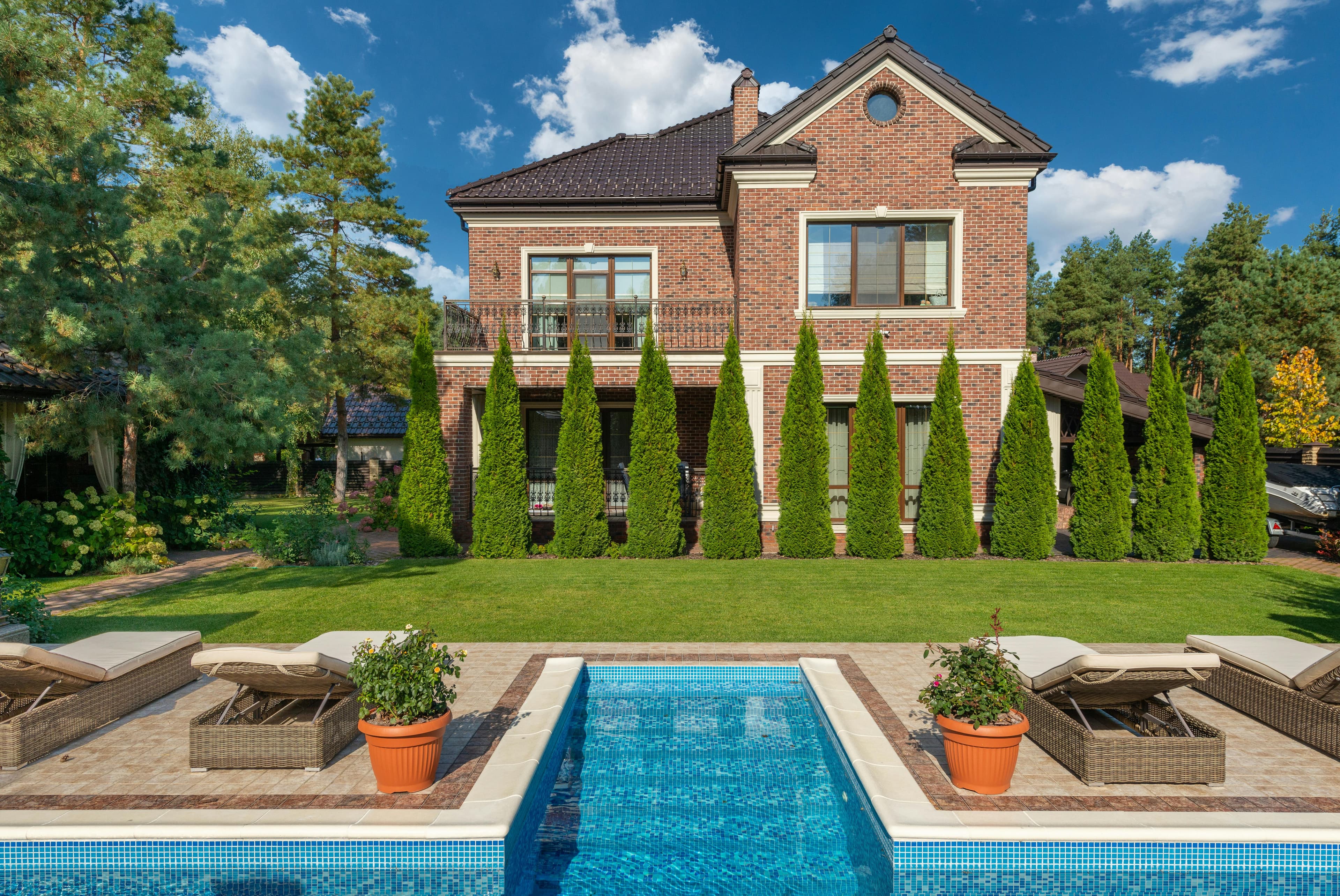 The bathroom that feels like a reward at the end of the day - natural materials, zero visual noise.
The Hallway: The Room Everyone Ignores Until It Goes Wrong
The hallway is the first and last room you experience every day. It is also the room most consistently treated as a dumping ground - for shoes, bags, post, coats, and everything that enters the house and cannot immediately find its proper home.
The found luxury approach to a hallway is not to buy more furniture. It is to fix the one thing that makes it feel immediately better: the gap under the front door.
This is not a joke. A draughty front door is the hallway problem that costs the most, feels the worst, and gets addressed the least. The Energy Saving Trust puts the annual saving from draught-proofing doors and windows at around £85. The cold ankles that come with an unsealed front door are a daily reminder that the home has not been quite finished. A door draft excluder - specifically a double-sided draught excluder for doors that seals both the interior and exterior gap - costs under £20 and eliminates both the heat loss and the cold-floor feeling that makes even a well-designed hallway feel inadequate.
The front door draught excluder is the found luxury hallway object nobody talks about - not beautiful in itself, but the thing that makes the beautiful hallway feel like it is working properly. A draught-free hallway that is warm at floor level does not feel like a waiting room. A draughty one does, regardless of what you put on the walls.
For the visual side of the hallway: a large wicker laundry basket near the entrance for shoes, bags, or daily-use items that need a permanent home near the door. A hallway basket in a natural material looks deliberate. A pile on the floor does not.
The Colour Story: Why Britain Is Finally Leaving Grey Behind
Tom Howley reports wood finishes up 64 per cent over six months. Pale Scandi-bleached oak is on the way out; walnut, smoked oak and dark mahogany are rising.
The colour and material story of 2026 British homes is the most significant aesthetic shift in a decade. The cool grey that dominated everything from 2015 to 2023 - walls, carpets, kitchens, storage, accessories - is being actively replaced. Not with anything loud or dramatic, but with something warmer, richer, and more honest.
Including richer neutrals and organic palettes with colours such as creamy whites, warm browns, and earthy reds can create a welcoming, comforting feel of understated luxury.
Cream instead of white. Warm grey instead of cool grey. Natural rattan instead of white plastic. Sage green instead of flat grey. These are not dramatic changes. They are one-step adjustments in the warm direction - and they make an enormous cumulative difference to how a home feels.
The practical implication for everyday home storage: colour matters more in 2026 than it did in 2020. When everything was grey, a grey laundry basket disappeared into the background. When the direction is warm cream, natural woven, and earthy neutral, a grey laundry basket still works - but a cream laundry basket or a natural woven laundry hamper lands exactly right in a way that feels intentional rather than default.
The black laundry basket is the contrarian choice that works in contemporary spaces where the warm-neutral direction is balanced with stronger accents. The pink laundry basket - blush, dusty rose - turns up in bedrooms where warmth and personality are the explicit brief. The white laundry basket sits correctly in bathrooms going for clean simplicity and in utility rooms where the brief is practical rather than decorative.
In every case: the choice matters more than it did. The era of buying a basket without thinking about it is the same era as the grey decade - and that era is over.
 Choosing with intention - the 2026 British home approach to everyday objects.
The "Buy Less, Buy Better" Equation
Half of UK consumers describe their spending as cautious. Brand loyalty is eroding, with 72% likely to switch to cheaper brands. Trust is now the deciding factor - and even the most optimistic consumers won't spend without it.
British consumers in 2026 are careful with money. That is not new. What is new is the way that carefulness is expressing itself: not as buying cheap, but as buying deliberately. The fast-fashion equivalent of home storage - cheap baskets replaced every two years, plastic bins from discount retailers, functional objects bought without a second thought - is giving way to a different logic.
Rather than buying more, homeowners invested in fewer, better things - solid furniture that can be repaired, timeless finishes that don't date quickly, and handcrafted pieces with a story to tell.
A quality woven laundry basket in natural seagrass, bought once and used for a decade, costs roughly the same as three cheap plastic replacements over the same period - and looks significantly better for the entirety of that time. A double-sided door draught excluder that costs £18 and saves £85 a year in energy costs has paid for itself before the end of the first month.
The buy-less-buy-better logic makes sense as a philosophy. It also makes sense as mathematics. And it aligns exactly with the found luxury direction: objects that are genuinely good, genuinely useful, and genuinely worth having in a home - rather than objects that are merely present because something needed to go in that space.
The Wellbeing Angle: Why It All Connects to How the Home Feels
"In 2026, wellbeing at home will centre on the rituals and moments that help us slow down in an increasingly fast-paced world," explains Dayna from Etsy. "A 39% rise in searches for candle warmer lamps shows how people are embracing small comforts that bring calm."
The found luxury trend, the natural materials direction, the move toward warmth and character - all of it connects to something deeper than aesthetics. British homes are being asked to do more in 2026 than they were in 2016. More working from home. More entertaining at home. More time spent in these spaces. And spaces that generate daily friction - a draughty door, an overflowing wash basket, a bathroom that looks temporary - create a low-level dissatisfaction that compounds over time.
The objects that fix this are rarely dramatic. A collapsible laundry basket in the bedroom that holds the week's laundry without overflowing. A laundry hamper in the bathroom with a lid that keeps the room looking organised between cleans. A draught excluder for the front door that makes the hallway actually warm at floor level. A corner laundry basket that turns the dead space where two walls meet into something useful.
None of these are found luxury in the editorial-photograph sense. All of them are found luxury in the actual sense: objects chosen with intention, doing their job properly, fitting the room they live in, and making daily life feel incrementally better.
That is the 2026 British home trend. Not a mood board. A decision.
How to Do This Without Spending a Fortune
The found luxury direction is accessible at almost any budget. Here is the practical version:
Start with what you look at most. The objects that live permanently on the floor of your bedroom and bathroom - laundry baskets, hampers, bins - are the ones that make the biggest visual difference when upgraded. A fabric laundry basket in a warm neutral or a woven laundry basket in natural rattan costs £20–£50 and changes a room.
Fix the thing that bothers you daily. For most British homes, that thing is either a draughty front door or a laundry situation that has outgrown its current solution. A door draft stopper or a large laundry basket that is actually large enough for the household using it - these are the purchases that pay back in daily quality of life.
Choose natural materials over synthetic ones. Every object in a 2026 British home that moves from plastic or synthetic to natural - rattan, seagrass, cotton, bamboo - makes the room feel marginally warmer and more intentional. Do it one object at a time and the cumulative effect is significant.
Use the Vekkera household essentials range as a starting point. It covers the main categories - laundry storage in natural woven and fabric formats, draught excluders for UK doors, and everyday home products - in the colours and materials that the 2026 British home direction is actually moving toward.
For room-by-room organisation guidance built around the found luxury approach, Ideal Home's storage and organisation section is the UK's most comprehensive free resource. For the energy efficiency side - draught-proofing, heat retention, reducing bills - the Energy Saving Trust has the most authoritative UK guidance available.
FAQ
What is "found luxury" and how is it different from quiet luxury?
Quiet luxury was about restraint - fewer things, better things, nothing loud. Found luxury is its warmer, more livable successor: rooms that feel collected over time rather than commissioned all at once, with character, natural materials, and objects that tell a story. Found luxury focuses on collection rather than careful curation - and it makes a home feel genuinely inhabited rather than staged. The practical difference: found luxury welcomes the laundry basket into the room rather than hiding it.
What are the key home trends in the UK right now in 2026?
Warm over cool: earthy neutrals, cream, warm grey, and sage green replacing flat grey and cold white. Natural materials over synthetic: rattan, seagrass, bamboo, cotton rope, linen in place of plastic and polyester. Found luxury over quiet luxury: collected and characterful over curated and minimal. Joy-first homes: comfort, personality, and small rituals that make daily life feel better. And the practical energy efficiency layer: draught-proofing, heat retention, and products that reduce what the home costs to run.
How do I start making my home feel better without spending a lot?
Start with the objects that live on your floor permanently - laundry baskets and storage. Upgrade from plastic to natural material. Choose a colour that works with your room rather than against it. Fix the draughty front door. Add one warm texture to each room - a linen throw, a woven basket, a cotton cushion. These are all under-£50 changes that make a cumulative difference that looks like a renovation.
Are woven laundry baskets worth the extra cost over plastic?
Yes, over any meaningful time horizon. A quality woven laundry basket in rattan or seagrass lasts 5–10 years with basic care, ventilates naturally (which keeps laundry fresher), and looks genuinely good in a bedroom or bathroom rather than apologetically functional. The cost comparison over a decade is usually in the woven basket's favour.
Does a draught excluder actually make a difference?
A noticeable one - in warmth, in noise reduction, and in energy bills. The Energy Saving Trust estimates draught-proofing doors and windows saves around £85 a year. A door draft excluder that costs £18 pays for itself in under three weeks and continues paying back for years. For exposed UK properties - west-facing, Victorian terraces, corner houses - the difference at floor level is felt the same day it is fitted.
Your home does not need a renovation. It needs a direction.
The direction in 2026 is warmer, more natural, more honest, and more deliberately chosen. One woven basket in the bedroom. One lid on the bathroom hamper. One draught excluder on the front door. One colour decision that moves toward cream or sage rather than defaulting to grey.
That is the glow-up. It is less dramatic than it sounds and more effective than almost anything else you could do to a room this weekend.
Browse the Vekkera household essentials range
- laundry storage, draught excluders, and everyday home products built for the way British homes actually live in 2026.
Related posts
UK Home Organisation Trends in 2026: What's Changed
From intentional decluttering to natural materials and small-space storage - here's what's actually shaping how UK...
Ava Bennett · 2026-03-22 · 9 min read
Door Draft Excluder: The Complete UK Buyer's Guide (2026)
Everything UK homeowners need to know about door draft excluders - types, materials, installation, and how to stop cold...
Ava Bennett · 2026-01-13 · 12 min read
Great British Nesting: Why Homes Are Getting Upgrades in 2026
Britain is nesting harder in 2026 as moving stays costly and energy bills remain high; here's what's driving it and how...
Ava Bennett · 2026-05-10 · 9 min read