
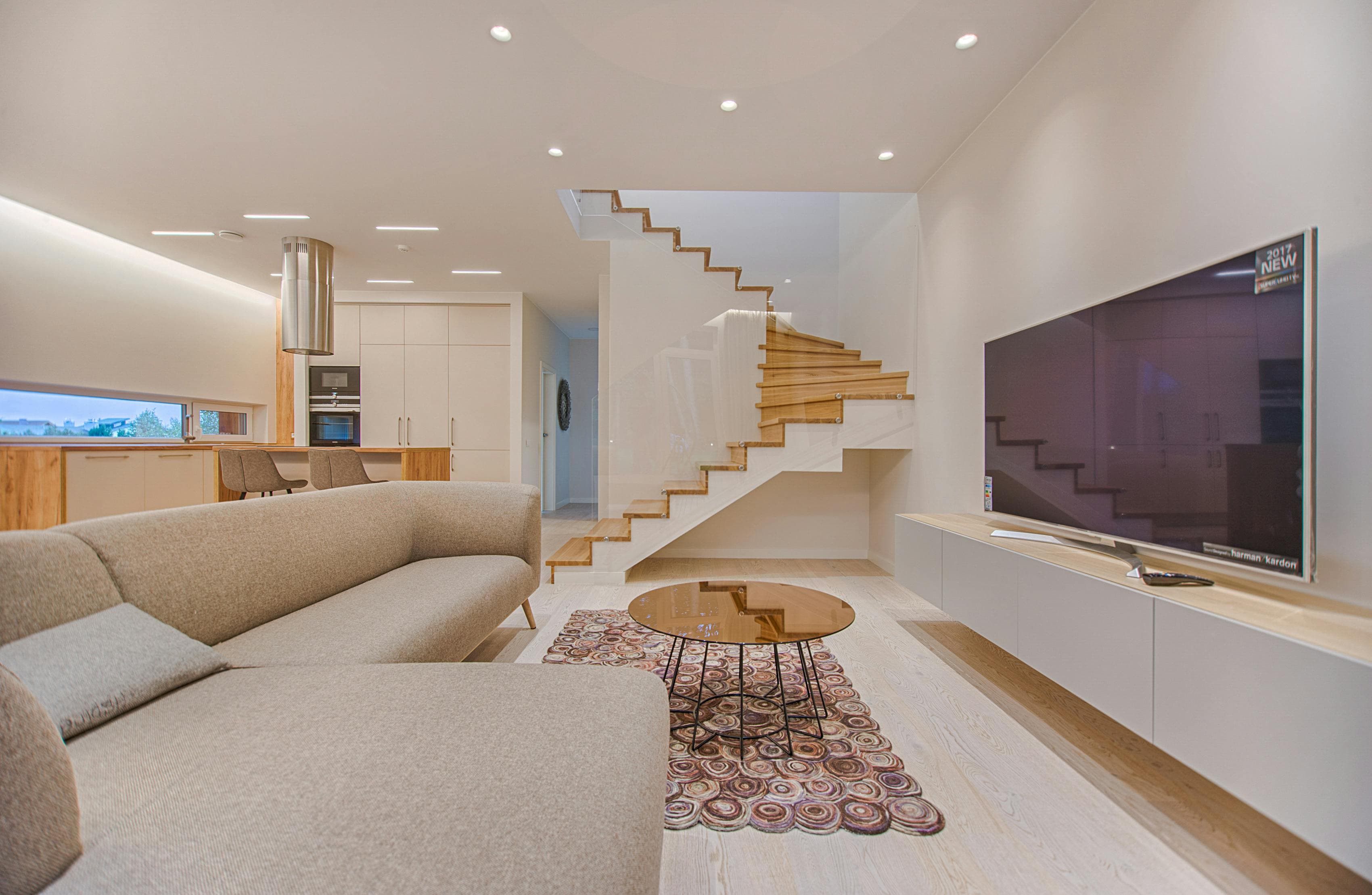
Great British Nesting: Why Homes Are Getting Upgrades in 2026
Britain is nesting harder in 2026 as moving stays costly and energy bills remain high; here's what's driving it and how households are responding.
Ava Bennett · 2026-05-10 · 9 min read
The Great British Nesting: Why Everyone Is Fixing Up Their Home Right Now (Spring 2026)
There is a particular British habit that surfaces whenever the outside world gets complicated. We come home. We put the kettle on. And then we start looking at the living room and thinking about whether that wall could do with a coat of paint.
It is happening again - and this time the conditions driving it are specific, measurable, and genuinely interesting. The UK housing market in spring 2026 is difficult to move in: the average two-year fixed mortgage rate sits at around 4.5%, a decade-high number of homes are on the market, and the average first-time buyer monthly mortgage payment is now almost identical to the equivalent monthly rent on the same property. For millions of British households, moving is either unaffordable or simply not worth it.
So instead, they are staying put and making things better. The nesting instinct - always present in British culture - has become the dominant home story of 2026. And the results, in terms of what British people are actually doing to their homes this spring, are more specific and more interesting than "people are doing DIY."
Why Britain Is Nesting Harder Than Usual Right Now
The housing market context matters because it directly shapes what people do with their homes. When moving is easy and affordable, people improve homes to sell them. When moving is hard, they improve homes to live in them - which is a meaningfully different brief.
Average asking prices rose by 0.8% in April 2026, but were 3.0% down compared to the same period last year. A decade-high number of homes are currently on the market and a third of listed properties have already had their asking price reduced. This is not a market that rewards moving. It is a market that rewards staying.
At the same time, the average first-time buyer mortgage payment is now £1,082 per month, while the equivalent monthly rent for the same property type is £1,078 - a difference of just £4. The buy-vs-rent equation has never been this finely balanced in living memory, which means younger households are staying in rented accommodation longer, and existing homeowners are staying put rather than trading up.
The result is a very specific kind of home investment: not renovation to add value before selling, but renovation and refresh to make the current home feel genuinely better to live in. The brief is comfort, not capital gain. And that shift - subtle as it sounds - changes almost everything about what people are choosing to do.
Many of the home trends emerging in 2026 are not loud or dramatic. They are subtle, thoughtful, and designed to make everyday life feel just a little bit easier. That is not accidental. It is the direct output of people improving homes they plan to live in for another five years, not homes they plan to photograph for a listing in six months.
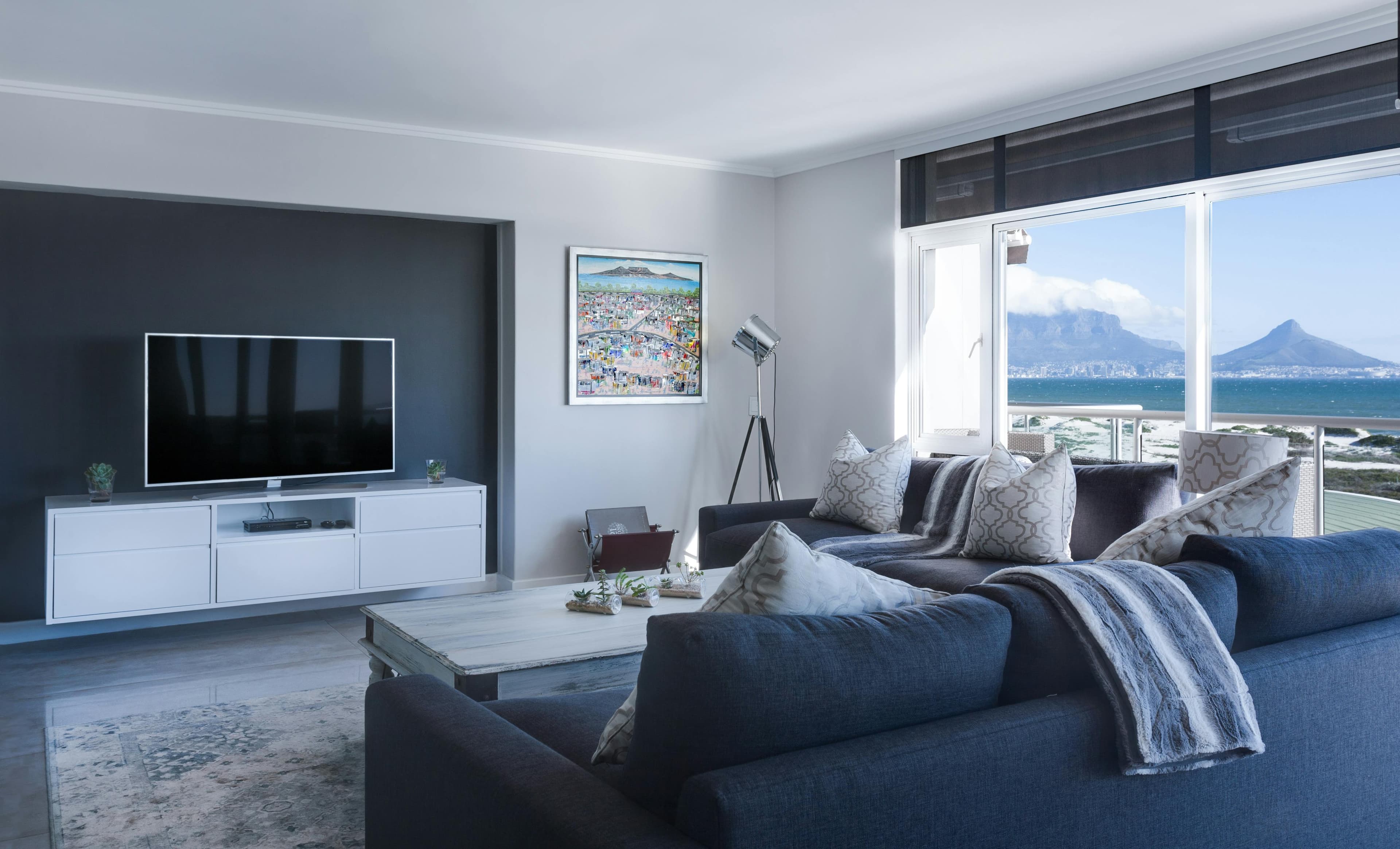 The 2026 British home brief: not impressive, just genuinely comfortable to live in.
What British People Are Actually Doing to Their Homes This Spring
The Kitchen: Moving Away From Grey
The kitchen is the single most-cited driver of home improvement spend in the UK, and the spring 2026 brief has a very specific character. Customers are moving away from the anonymous all-grey aesthetic of the past decade and toward kitchens that feel individual, warm, and built to last.
Green is the kitchen colour of 2026. Reed green, forest green, sage, and hazy blue-green tones are among the most-requested colourways, driven by a sustained move toward nature-inspired, organic interiors. Deep blues and navy remain strong performers, and warm stone, porcelain and off-white tones are filling the gap left by flat grey.
This is not a trend that requires a full kitchen renovation to participate in. The colour direction - warmer, more nature-inspired, more individual - is accessible through paint, new cabinet handles, updated storage, and accessories. A kitchen that felt clinical and grey in 2022 can feel warm and deliberate in 2026 without touching the cabinets.
The practical implication for home storage in a kitchen refresh: surfaces matter more than they used to. When the kitchen direction is warm and natural, every item sitting on a worktop or shelf is part of the visual. A woven storage basket for dry goods, a fabric-covered bin, natural wood and rattan accessories - these are not decorative choices overlaid on a functional brief. They are the brief.
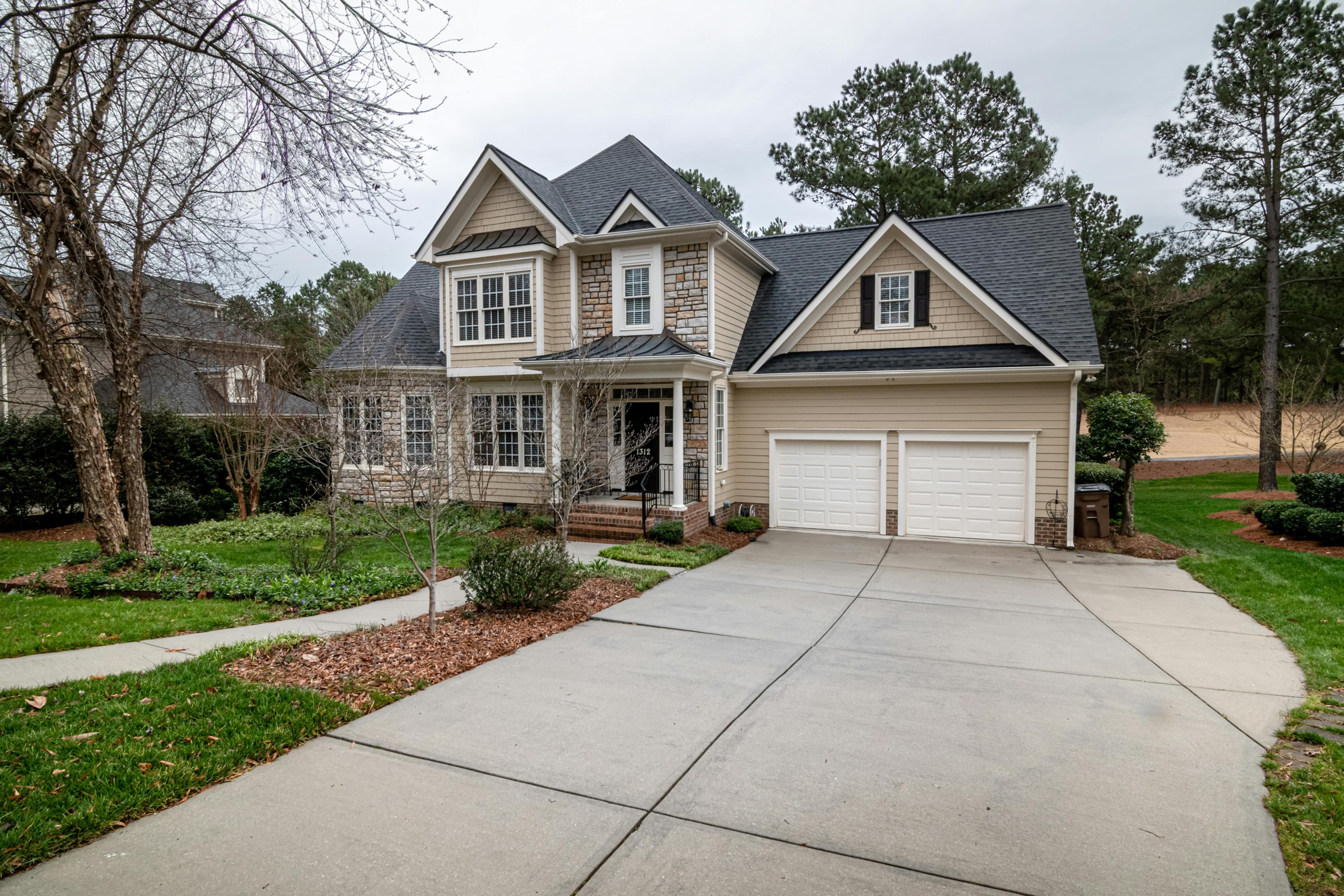 The 2026 UK kitchen direction - sage green, warm stone, and natural materials replacing the flat grey of the past decade.
The Bathroom: The Spa Aesthetic Goes Mainstream
The Houzz UK 2025 Bathroom Trends Report found that 46% of homeowners renovating bathrooms are going beyond like-for-like replacement, actively upgrading the specification to achieve a different aesthetic entirely.
The dominant aesthetic for spring 2026 is what interior commentators have termed the "spa bathroom": warm tones, ribbed or textured wall surfaces, brushed brass or matte black brassware, and layouts that prioritise a sense of calm and considered design. Cold white suites with chrome fittings - the default of the past two decades - are being actively replaced.
The spa bathroom trend has a direct connection to the nesting context: bathrooms are the room where the quality of daily life is most immediately felt. A bathroom that feels like a budget hotel is a daily reminder that the home is not quite right. A bathroom that feels calm, warm, and considered is a daily deposit into the sense of home comfort that people are prioritising in 2026.
At the lower cost end of the spa bathroom direction - which does not require a full renovation - the changes are about surface and atmosphere: warm-toned accessories, a lidded laundry hamper that looks like it belongs in the room rather than apologising for being there, natural materials wherever possible, and lighting that is not overhead fluorescent.
A small woven laundry basket with a lid in a bathroom going for the spa aesthetic is a £30 decision that lands correctly every time. A white plastic bin in the same space is a daily contradiction of the brief.
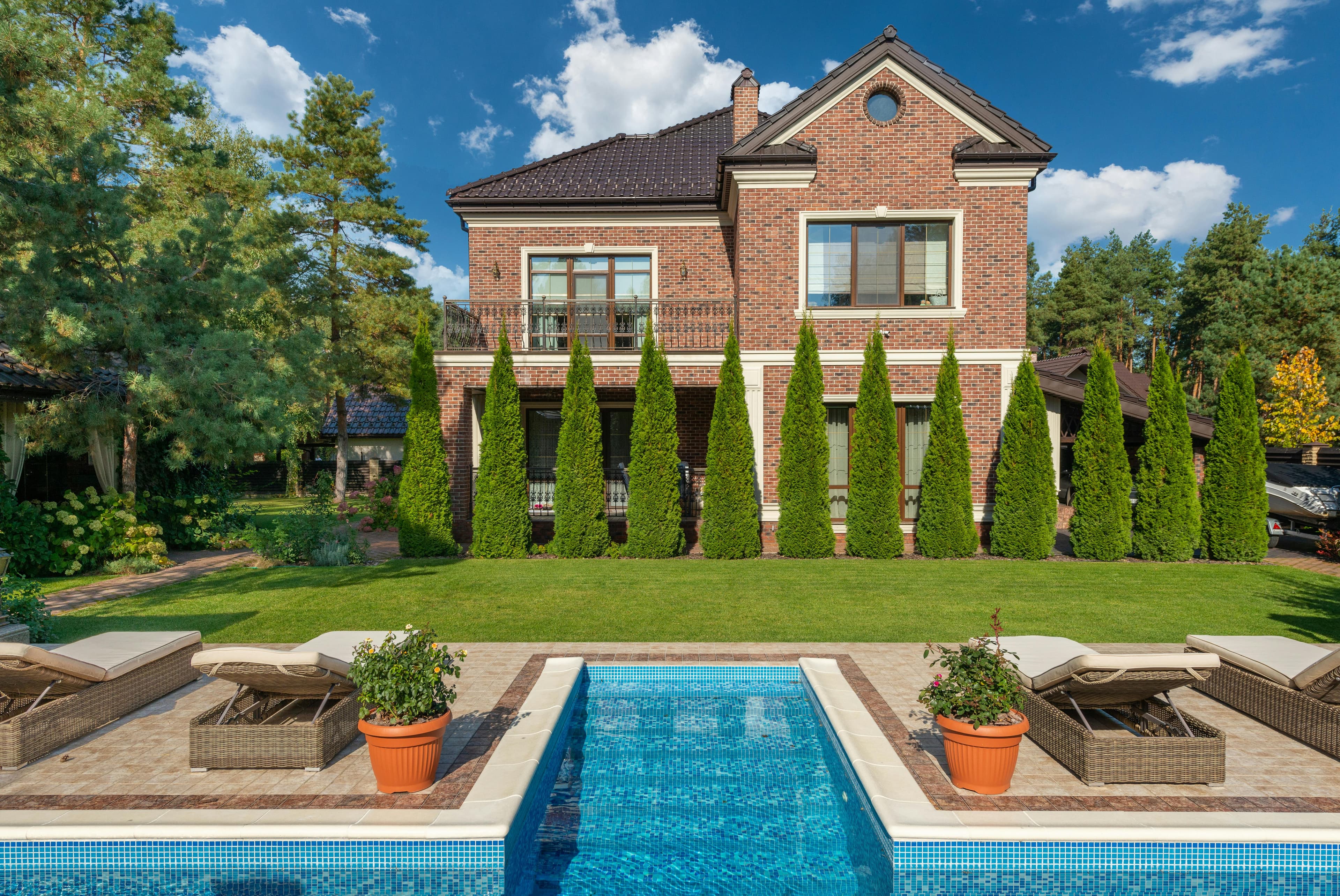 The spa bathroom goes mainstream - warm tones, textured surfaces, and natural materials replacing cold white and chrome.
The Living Room: Wall Panelling Everywhere
In spring 2026, the most consistently requested living space upgrade is decorative wall panelling: ribbed finishes, shiplap, tongue and groove, and flat-panel architectural formats that add texture, depth, and a sense of considered design to rooms that have otherwise remained untouched for years.
The trend is supported by a simple market reality: panelling delivers a high-impact visual result at a cost and installation complexity that suits a wide range of customer budgets, and it avoids the commitment risk of bold wallpaper while delivering a more permanent, more tactile result.
Wall panelling is the spring 2026 living room project that makes complete sense when you understand the nesting context: it is a one-weekend change that makes a room feel permanently more considered. It is not expensive relative to its impact. It does not require planning permission or structural work. And it is not reversible in the way that bold wallpaper feels reversible
- which paradoxically makes people more willing to commit to it.
The colour palette going over panelling in 2026 reinforces the warmth direction: earthy browns, olive greens, and muted terracotta shades are finding their way onto walls, cushions, and furniture, bringing a sense of grounding that many homes have been missing.
The "Stay Put and Make It Better" Budget: What Britain Is Actually Spending
This is where the nesting trend has a number that is worth understanding. People are not spending renovation budgets on full structural overhauls - they are spending them on the layer of the home that is immediately visible and immediately affects daily quality of life.
Most homeowners allocate 60% of their budget to structural and labour costs and 40% to finishes and interiors, and renovation specialists always advise adding 10–20% contingency for unexpected issues. But the 2026 nesting trend is different - it is largely happening in the 40% finishes-and- interiors layer, without the structural 60% at all.
The category that is seeing the most activity: cosmetic refresh. New paint, new accessories, better storage, updated textiles, improved lighting. A lounge refresh covering professional decorating, new lighting circuits, updated curtains, and a modest furniture refresh starts at around £4,000. Adding bespoke alcove joinery and engineered timber flooring brings it to £8,000. These are accessible numbers for a household choosing to invest in their current home rather than save for a deposit on a new one.
The implication for household essentials - storage, organisation, everyday home products - is that they are part of the home improvement budget in 2026 in a way they have not been before. A quality laundry basket, a draught excluder for the front door, a properly organised utility room - these are not maintenance purchases in the 2026 nesting mindset. They are the final layer of a home refresh that costs £30 rather than £3,000 and delivers a daily quality-of-life improvement that the new sofa sitting in a draughty, disorganised room would not.
The Colour Story of Spring 2026
Colour is where the nesting trend is most visually legible. The cool grey decade is definitively over, and the replacement palette is warmer, more natural, and more varied than the neutral monotone it is displacing.
Cool greys are gently stepping aside. In their place, warmer, more comforting tones are emerging: soft whites, sandy neutrals, and gentle taupes that reflect light rather than flatten it.
The accent direction sits alongside these warm neutrals rather than contrasting with them: sage green, olive, terracotta, rust, and deep earthy brown are the colours appearing on kitchen cabinets, feature walls, cushions, and accessories. In 2026, British consumers are choosing earthy tones like clay, sand, olive, and rust, paired with natural materials such as wood, stone, and rattan.
The practical consequence for anyone refreshing a home this spring: the storage and home essentials that sit in these rooms matter more than they did when the rooms were uniform grey. A cream or natural woven basket in a warm-neutral bedroom belongs. A white plastic laundry bin in the same space is a visual interruption. The palette shift elevates the importance of every object in the room - which is uncomfortable news for anything bought without thinking, and good news for anything bought with care.
The Vekkera range of household essentials is built around exactly the colours and materials that the 2026 UK home palette is moving toward: cream, grey, natural woven, and white across laundry storage, draft excluders, and everyday home products.
What Renters Are Doing (Because This Is Not Just a Homeowner Story)
The nesting trend is not exclusive to homeowners, and this is worth saying directly - because a significant portion of the UK is renting in 2026, renting for longer than previous generations, and investing in making rented spaces feel like genuine homes rather than temporary arrangements.
Average UK private rents increased by 3.5% in the 12 months to January 2026, taking the average monthly private rent to £1,367. People paying that much per month for a home are not treating it as a stepping stone they will leave in six months. They are nesting in it.
For renters, the nesting refresh happens in the removable and reversible layer: accessories, textiles, storage, lighting, and the small practical improvements that make daily life better without requiring landlord permission. A double-sided door draft excluder that needs no tools and leaves no marks. A foldable laundry basket that collapses flat when not needed and causes no storage problem in a small flat. A woven storage basket that makes a living room feel considered rather than accumulated.
These are not consolation prizes for people who cannot own a home. They are the specific products that make a rented space feel genuinely lived in and deliberately arranged - which is exactly what the nesting impulse is looking for, regardless of tenure.
Two Things That Are Quietly Driving the Whole Trend
Energy Efficiency Has Become a Lifestyle Issue
Energy efficiency is no longer just an environmental issue - it is a financial and lifestyle one. With energy costs still unpredictable, households are prioritising homes that are more efficient to run.
This is driving a specific category of small-but-impactful home improvements that sit below the renovation threshold but above the accessories threshold: draught proofing, better insulation around windows and doors, energy-efficient lighting, and products that reduce heat loss without requiring structural work. The Energy Saving Trust estimates draught-proofing doors and windows could save around £85 a year - which, for a household already watching energy bills carefully, is a meaningful annual return on a modest product purchase.
The Vekkera door draft excluder sits in exactly this category: a practical, immediate energy-saving product that is also part of the home refresh, not just a utility purchase.
The Home Is Now the Primary Social Space
With discretionary spending squeezed, fewer British households are eating out, attending paid leisure activities, or travelling at the frequency of five years ago. The home has become the primary space where comfort, rest, and social life happen - which means the standard it needs to meet has increased.
A home that was adequate as a place to sleep and spend occasional evenings is no longer adequate when it is the main venue for everything. The spring 2026 nesting investment is partly about recognising this honestly and making the home equal to the role it is now playing in daily British life.
That is not a trend that will reverse when mortgage rates ease or when the housing market finds its footing. The habits formed in a period of staying home - cooking more, entertaining at home, working from home - tend to persist. The home has permanently moved up the priority list for British households, and the products and improvements that serve that elevated role are a permanent part of the budget, not a temporary response to difficult conditions.
How to Participate in the Nesting Trend Without Spending a Fortune
The appeal of the 2026 nesting moment is that it does not require a renovation budget to participate in meaningfully. The biggest visible changes in British homes this spring are happening in three accessible categories:
Colour and surface. A tin of paint in sage green, warm stone, or earthy terracotta costs £30–£50 and transforms a room for years. The colour direction is clear; the entry cost is low.
Natural materials. Swapping out synthetic and plastic home accessories for natural alternatives - rattan, seagrass, cotton rope, bamboo - updates the feel of a room without touching the structure. A woven laundry basket in a bedroom being refreshed toward warm naturals is a £25–£50 decision that gets the material direction right immediately.
Practical warmth. Draught-proofing, better textile layering, warmer lighting - the small changes that make a home feel physically warmer and more comfortable at lower thermostat settings. The Vekkera door draft excluder is the product that makes the biggest practical difference at the smallest cost in this category.
For a comprehensive room-by-room approach to making a home feel better without a renovation budget, Ideal Home's spring organisation and refresh guides and the Energy Saving Trust's practical advice pages are the two UK-specific resources most worth bookmarking.
FAQ
Why are so many people improving their homes rather than moving in 2026?
The UK housing market in spring 2026 makes moving difficult for most households. The average two-year fixed mortgage rate is around 4.5%, a decade-high number of homes are on the market, and the average first-time buyer monthly mortgage payment is now almost identical to the equivalent monthly rent on the same property. For households in this environment, improving the current home delivers better value than the costs and disruption of moving.
What are the most popular home improvements in the UK in spring 2026?
The four leading categories are: kitchen colour refresh (moving away from grey toward green, warm stone, and earthy tones), bathroom upgrades toward a spa aesthetic (warm tiles, ribbed surfaces, brushed brass), decorative wall panelling in living rooms, and the cosmetic refresh layer (paint, storage, lighting, textiles) across all rooms. The common thread is warmth, natural materials, and considered design over clinical minimalism.
What colours are trending in UK homes in spring 2026?
Warm tones are replacing cool greys: soft whites, sandy neutrals, gentle taupes, earthy browns, olive greens, and muted terracotta are the colours appearing on walls, cabinets, and accessories across UK homes. In kitchens specifically, green - reed green, forest green, sage, and hazy blue-green - is the colour of 2026.
Is the nesting trend relevant to renters as well as homeowners?
Yes - and increasingly so. With average UK private rents at £1,367 per month, renters are staying in properties longer and investing in making them feel like genuine homes. The renter version of the nesting trend focuses on removable and reversible improvements: accessories, natural-material storage, textiles, lighting, and no-tools practical products like draught excluders. The Vekkera range covers the main renter-friendly products in this category.
How much do people spend on a cosmetic home refresh in the UK?
A lounge refresh covering decorating, new lighting, updated curtains, and a modest furniture update starts at around £4,000 for a professional finish. The DIY-and-accessories version - paint, storage, textiles, and practical products - can achieve a meaningful result for £200–£500 depending on the size of the space and the products chosen. The highest-return items in that budget are paint, natural-material storage, and practical warmth products like draught excluders.
The British nesting instinct has always been there. What is different in spring 2026 is that the conditions - a difficult housing market, elevated rents, energy costs still biting, and the home now serving as the primary venue for daily life - have made it less of an instinct and more of a rational decision.
People are staying put and making things better. The homes that emerge from this moment will be warmer, more considered, and more genuinely comfortable than the ones that went into it.
That is not a bad outcome for a difficult period.
Browse the Vekkera household essentials range for the practical products that belong in a 2026 British home refresh - from natural woven storage to draught-proofing solutions built for UK doors and conditions.
Related posts
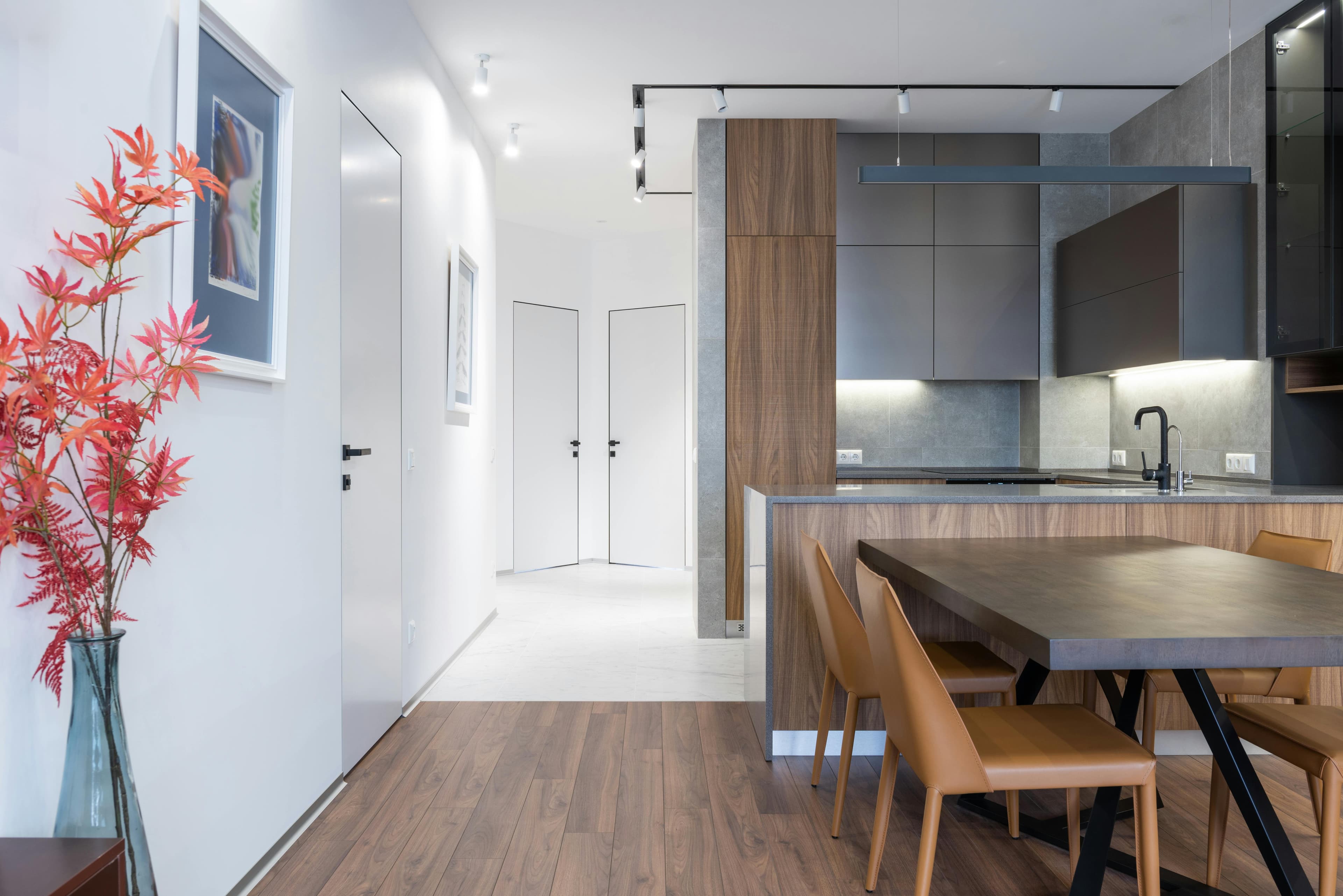
UK Home Glow-Up Trends in 2026: What's Actually Happening
From woven laundry baskets to draught excluders, this guide explores the 2026 UK home glow-up trend and how people are...
Ava Bennett · 2026-04-24 · 9 min read
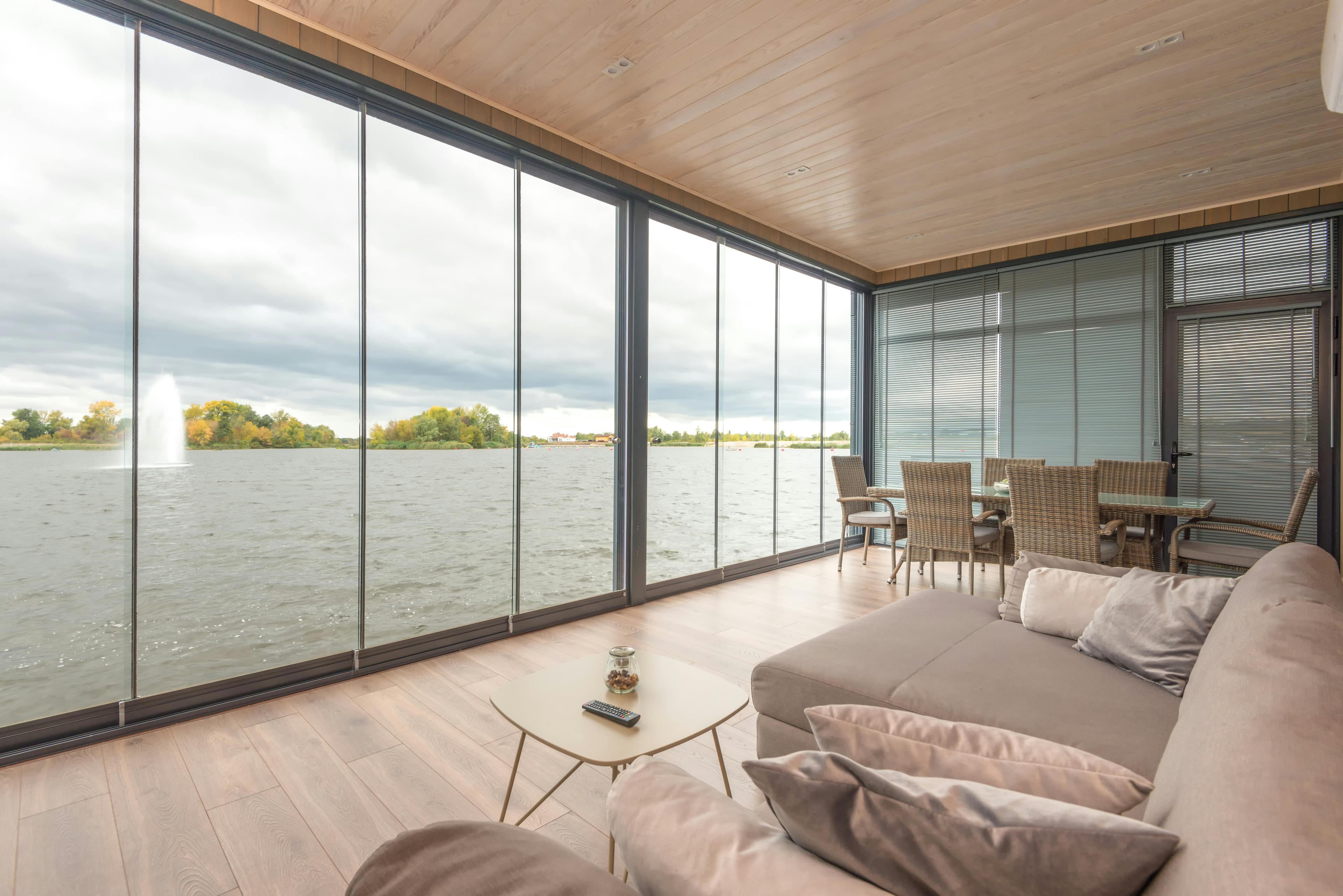
UK Home Organisation Trends in 2026: What's Changed
From intentional decluttering to natural materials and small-space storage - here's what's actually shaping how UK...
Ava Bennett · 2026-03-22 · 9 min read
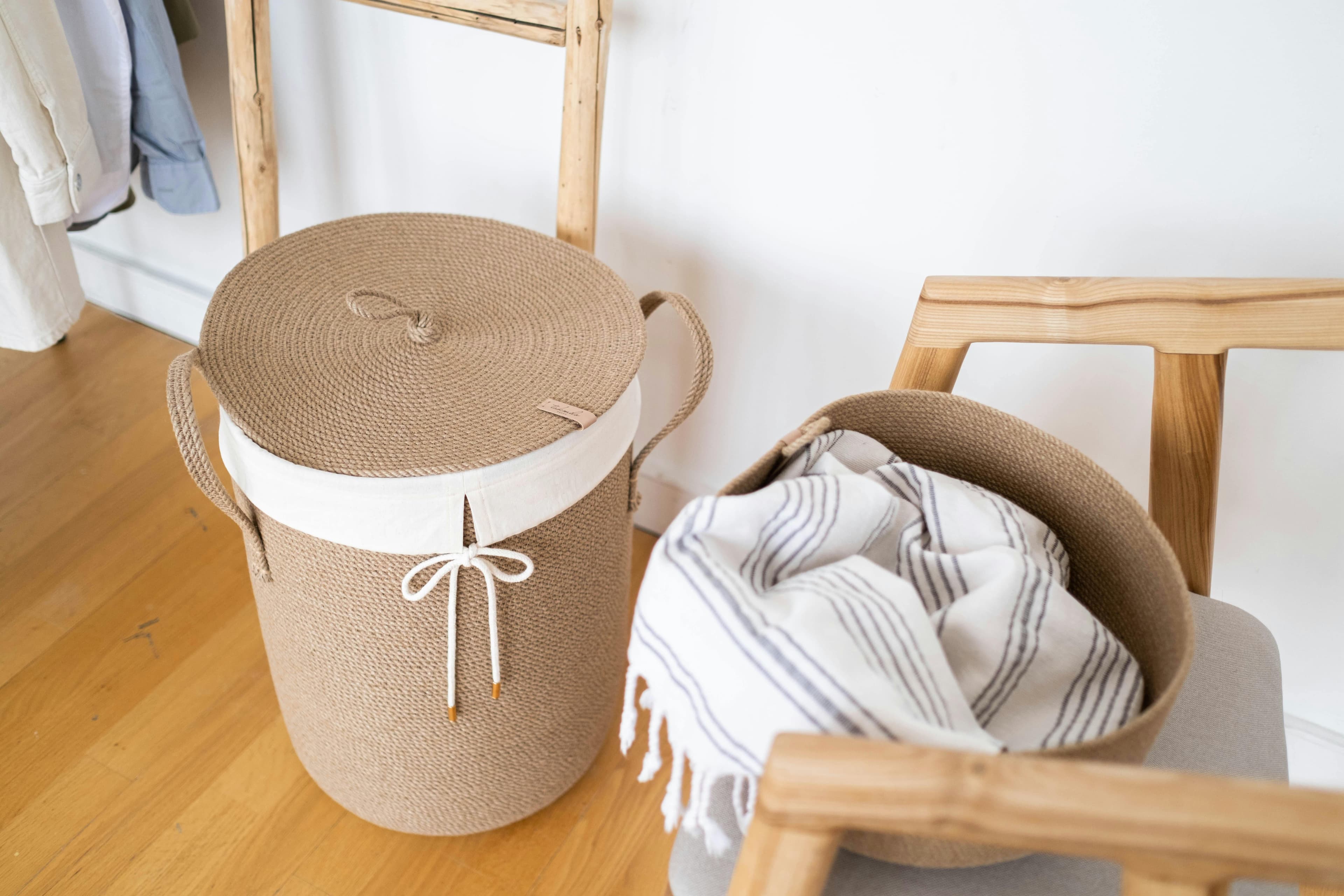
The Ultimate Laundry Basket Guide for Every Home
A complete guide to choosing the right laundry basket, hamper, collapsible basket, and storage solution for every home,...
Ava Bennett · 2026-04-17 · 12 min read