
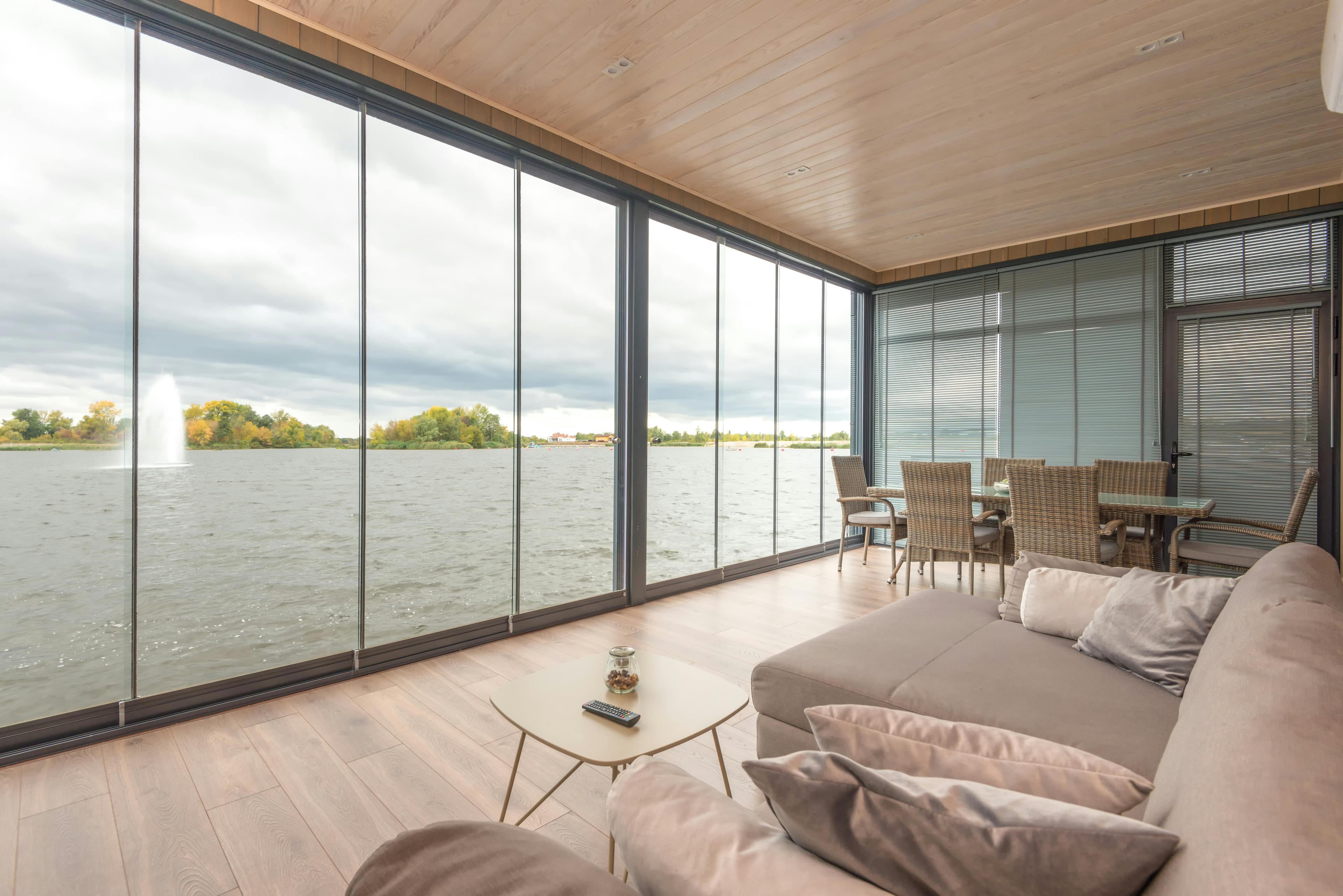
UK Home Organisation Trends in 2026: What's Changed
From intentional decluttering to natural materials and small-space storage - here's what's actually shaping how UK homes are being organised in 2026.
Ava Bennett · 2026-03-22 · 9 min read
How Britain Is Organising Its Homes in 2026 (And What's Actually Changed)
Something has shifted in the way British people are thinking about their homes. Not dramatically, not overnight - but noticeably. The endless scroll of hyper-minimal Scandinavian interiors that defined the last decade of UK home content is giving way to something warmer, more personal, and considerably more honest about the fact that people actually live in these spaces.
The homes that are getting the most attention in 2026 are not the ones with the least stuff. They are the ones where every item has clearly been chosen deliberately - where the storage is visible and attractive rather than hidden and shameful, where natural materials sit alongside practical essentials, and where the goal is calm rather than emptiness.
This is a guide to what is actually happening in UK homes right now: the trends that are genuinely changing how people organise their spaces, the statistics behind the chaos that most British households are quietly living with, and the practical products that make the difference between a home that looks organised in photos and one that actually stays organised in real life.
The State of the British Home in 2026: What the Data Says
Before getting into trends, it is worth establishing the baseline. Because the data on how British people actually live in their homes is simultaneously unsurprising and slightly alarming.
Almost half of UK adults - 48% - admit they have arrived late to work, school, or other commitments because they were searching for a misplaced item at home. On average, Brits spend around eight and a half minutes each day searching for misplaced items. That is roughly 52 hours a year - more than a full working week - spent looking for things that should have a place.
Research from WebMD found that women who described their homes as cluttered had consistently higher levels of cortisol throughout the day, while those in tidier spaces showed lower, more stable levels. Clutter is not just an aesthetic problem. It is a physiological one.
Around 1 in 3 UK adults - 31% - have argued with someone in their household due to clutter in the home. And cluttered environments have been linked to a 20% decrease in focus and cognitive performance.
None of this is news to the average British household. Most people know their homes have too much stuff. What is changing in 2026 is how they are thinking about fixing it - and that shift is more interesting than the statistics.
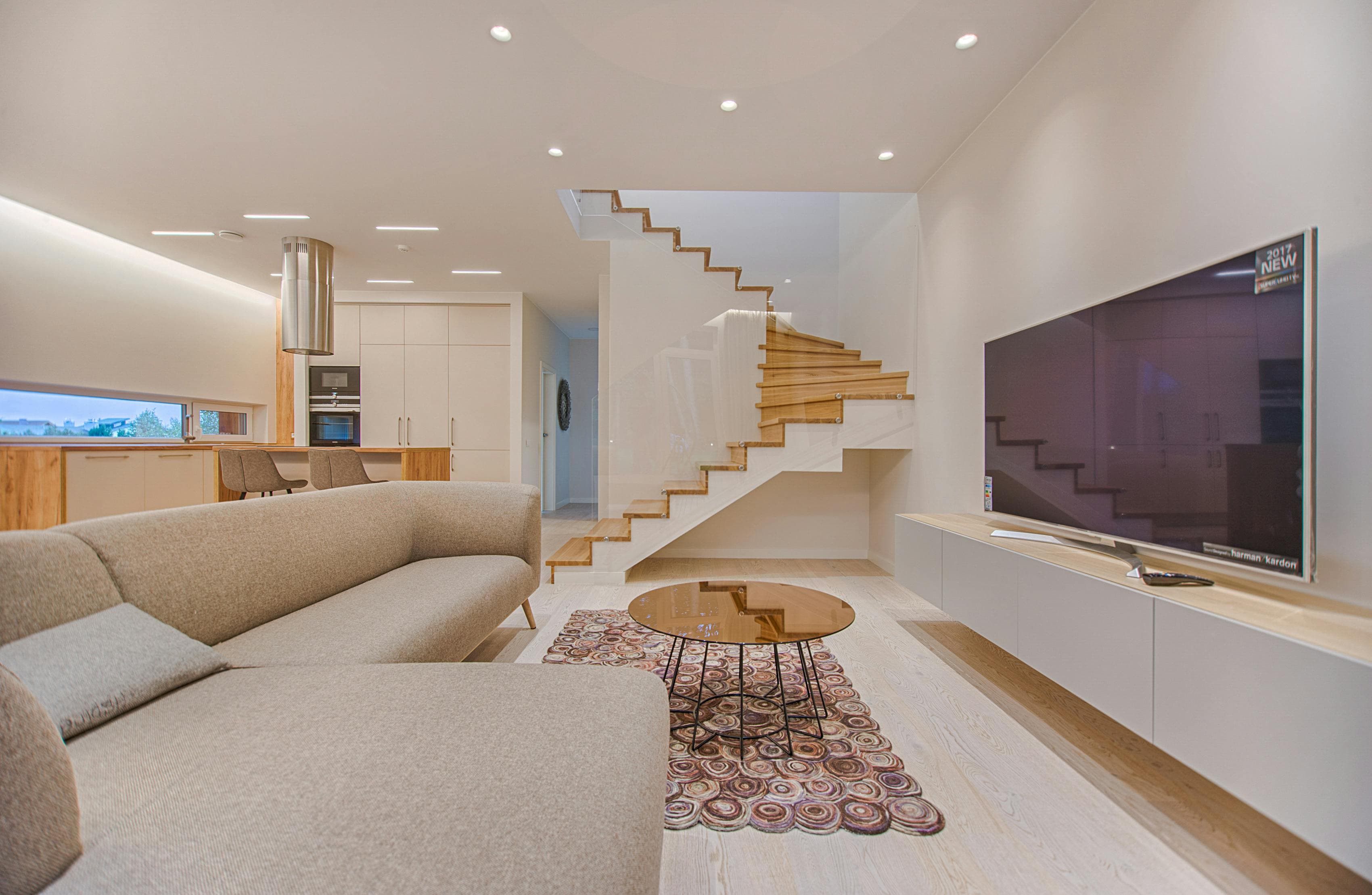
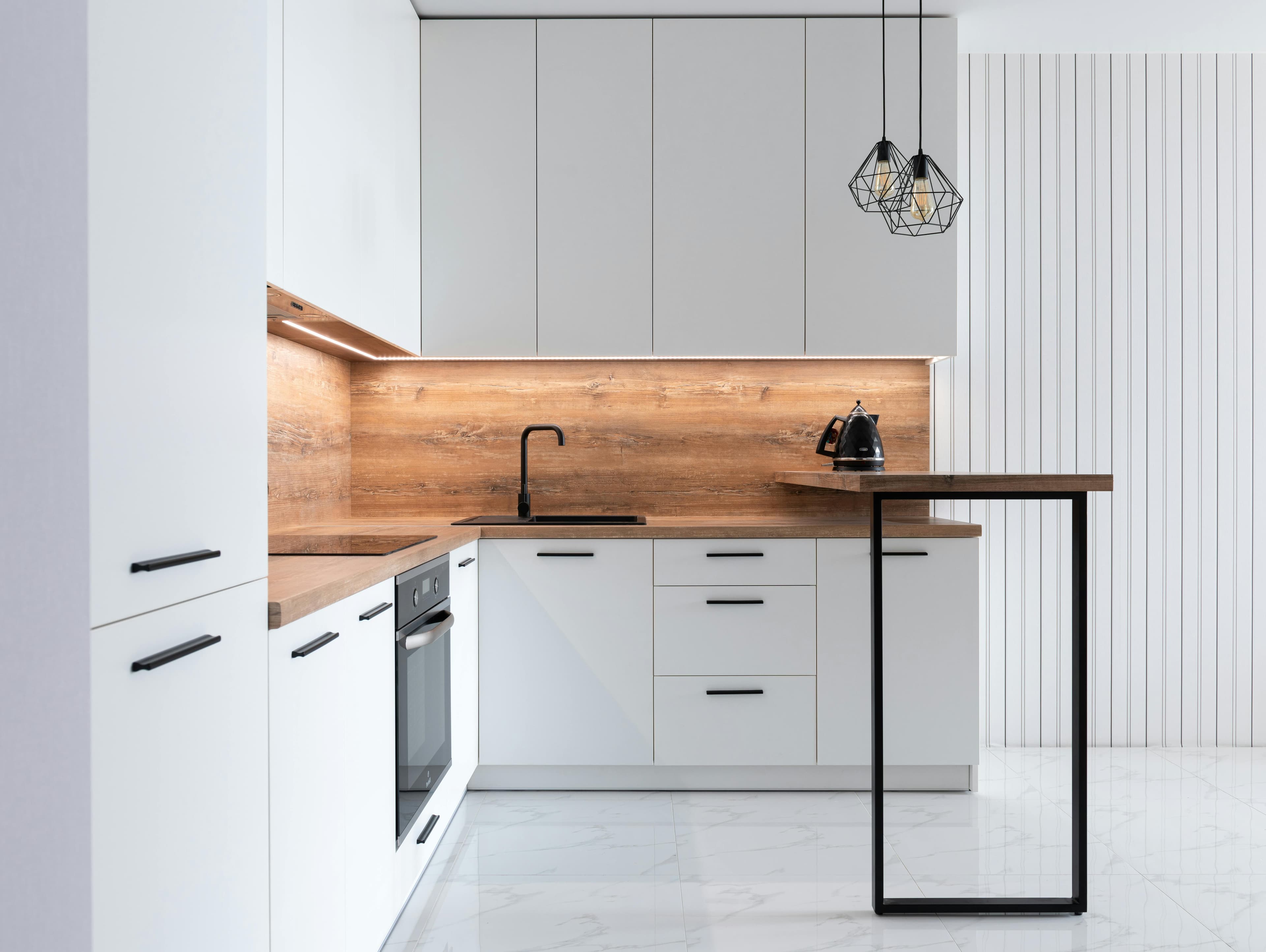 The direction UK homes are moving in 2026 - warm, considered, and genuinely liveable.
Trend 1: Aggressive Decluttering Is Out. Intentional Ownership Is In.
For about a decade, the dominant narrative around home organisation in the UK was essentially: own less. Marie Kondo, the minimalists, the capsule wardrobe movement - all pointing in the same direction. Get rid of things. Own only what sparks joy. Strip back.
That narrative is losing ground in 2026 - not because people have stopped caring about clutter, but because the approach has changed.
Professional organiser and co-founder of Ankersen Drake, Arabella Drake, puts it clearly: "It seems that in 2026, it's less about owning as little as possible and more about owning and organising with purpose. People want confidence in what they keep, and spaces that reflect who they're becoming rather than what they've managed to discard."
The shift has a practical driver alongside the philosophical one. Growing environmental awareness has made people more reluctant to discard things for the sake of owning less - vintage and second-hand pieces are gaining popularity, offering unique character and reducing waste. Throwing things away in order to be minimalist sits uncomfortably alongside sustainability values. So the decluttering conversation has evolved: keep things deliberately, store them properly, and choose new purchases carefully rather than clearing out and starting again.
For Vekkera, this is the trend that matters most. The products that fit 2026 British homes are not the cheapest or the most invisible - they are the ones that are clearly chosen. A woven laundry basket that sits in the bedroom because it looks like it belongs there, not because it was shoved in a corner. A lidded hamper that tells a guest the household is organised rather than hiding the evidence that it is not.
What this means practically: Stop buying more storage just to contain existing clutter. Work out what you actually use, give it a proper home, and buy storage that is good enough to live on display - because visible, attractive storage is more likely to be used consistently than hidden, functional storage.
Trend 2: Natural Materials Are Replacing Plastic Everywhere
In 2026, British consumers are choosing eco-conscious interiors
- from reclaimed wood furniture to natural fibre rugs. This is showing up everywhere in UK homes: rattan, seagrass, jute, bamboo, and cotton rope replacing the synthetic and plastic storage that defined the IKEA-and-plastic-bin era of home organisation.
Interior design in 2026 is trending toward warm, personalised, expressive spaces with layered textures and natural fibers. The appeal of natural materials for storage specifically - baskets, hampers, organisers - is that they solve two problems at once: they look intentional in a room (which means they stay out rather than being hidden), and they are breathable in a way that plastic never is (which matters for laundry storage, linen storage, and anything that needs airflow).
Natural materials like bamboo, mango wood, acacia wood, cane, and woven fibres have high demand as home accessories - these products show that functionality and beauty can go hand in hand.
This trend is also closely connected to the intentional ownership shift. A plastic laundry basket costs £8, lasts two years, and goes to landfill. A quality woven seagrass basket costs more, lasts a decade, and biodegrades at end of life. The higher upfront cost is increasingly the point, not the obstacle.
Natural woven storage in a 2026 UK bedroom - functional, breathable, and genuinely attractive.
Trend 3: Small-Space Living Is Reshaping What Storage Actually Means
UK homes are among the smallest in Europe, and the gap is not closing. With smaller homes becoming increasingly common, efficient furniture placement and space-saving solutions are becoming essential - particularly in apartments and smaller homes where everyday functionality is critical.
This is the context behind a specific storage trend that is very visible in 2026: the move away from large, permanent storage furniture toward smaller, multi-purpose, and collapsible storage that earns its floor space every day rather than occupying it by default.
Modern decluttering focuses on intentional storage - instead of hiding everything away, the goal is to use attractive, accessible organisers that enhance décor. Neutral palettes, clear materials, and warm accents help storage blend into a home rather than stand out from it.
In practical terms, this is why the collapsible laundry basket has become one of the fastest-growing categories in UK home storage. It holds a full load when you need it and takes up almost no space when you do not - which is exactly the bargain that a small UK flat demands from every object in it.
The same principle applies across storage categories: a folding laundry basket that slides under the bed, a corner laundry basket that turns dead space into live storage, a lidded hamper that doubles as a surface. Every item in a small UK home needs to do more than one job or justify taking up permanent floor space.
The practical rule: If a storage item cannot earn its floor space, it needs to fold, stack, or move. Fixed storage is for fixed needs. Everything else should adapt.
Trend 4: The Visible Home - Display Storage Over Hidden Storage
The most significant aesthetic shift in UK home organisation in 2026 is the move toward storage that is meant to be seen. This is the direct opposite of the "hide everything in matching white boxes" approach that dominated home organisation content for the previous five years.
Customers are treating their homes as spaces that feel collected over time, finding a balance of old and new - products that can layer easily with something more modern or something vintage. The result is that storage pieces are being chosen with the same care as decorative items: for texture, warmth, and character alongside pure function.
This trend has a psychological dimension that reinforces it practically. Storage you are proud of gets used. A beautiful woven basket on a bedroom floor gets clothes put in it every time. A cheap plastic bin in the corner gets ignored until the pile next to it becomes unavoidable. The aesthetic quality of storage is not a vanity consideration - it is an organisational one.
The same logic applies to the hallway - one of the most consistently disorganised spaces in British homes. A well-chosen basket for shoes, bags, and daily-use items near the front door that looks intentional means those items actually live there. A plastic box shoved behind the door means the floor around it becomes the actual storage.
For practical guidance on building storage systems that actually hold up, Ideal Home's organisation section and Real Simple's home organisation guides both reflect the visible storage direction that professionals are recommending in 2026.
Trend 5: The Cost-of-Living Effect on Home Organisation
The UK cost of living has reshaped spending behaviour in ways that directly affect home organisation. Two specific effects are worth understanding.
Buying less, buying better. UK consumers are increasingly cautious about spending, leading to a rise in demand for quality over quantity across home categories. In storage terms, this means fewer impulse purchases of cheap organiser sets, and more considered buying of individual items that are genuinely useful and built to last. A single quality woven laundry hamper bought once versus three cheap replacements over the same period is the calculation more British households are making consciously.
The home as sanctuary. With discretionary spending squeezed, fewer people are eating out, travelling, or spending on experiences in the way they were. The home has become a more important space - which means people are investing in making it feel better to be in. Clutter doesn't just affect how a home looks; it impacts how you feel. Research consistently shows that organised spaces reduce stress, improve focus, and make daily routines smoother. When the home is where you spend more of your time, its organisation matters more.
This is the commercial context that explains why home-related UK online purchases - including household items - reached £9.09 billion in 2026. People are spending on their homes because their homes are more important to them, not just because they have more money to spend.
 Intentional ownership over aggressive decluttering - the 2026 approach to a tidy wardrobe.
Trend 6: Room-by-Room Organisation - Where Brits Are Focusing in 2026
Rather than whole-home overhauls, the 2026 approach is tactical: identify the one space that causes the most daily frustration, fix that, then move on. Here is where the focus is landing across UK homes this year.
The Bedroom
The bedroom is the most-improved room in UK homes in 2026 - specifically because it is the room where disorganisation has the most direct effect on sleep quality. Clutter has been linked to poorer sleep quality including more night-time disturbances and difficulty falling asleep.
The most impactful bedroom fix: a quality laundry storage solution in the exact spot where clothes are dropped. A laundry basket with a lid that looks like bedroom furniture rather than a utility item means dirty clothes have a proper home - and the bedroom looks immediately more organised as a result.
The Hallway
The hallway is where organisation breaks down first in most British homes - and where fixing it has the biggest visible impact. Everything enters the house through the hallway: shoes, bags, coats, post, shopping, and the accumulated debris of daily life. A basket at the entrance point for each category of item eliminates the spread of clutter into adjacent rooms before it starts.
The William Morris principle - quoted by professional organiser Shannon Murphy of Simpl Living Co - is the right framework here: "Have nothing in your houses that you do not know to be useful, or believe to be beautiful." The intention is not to strip a home back to the bare minimum, but to let go of the excess that clutters spaces and distracts from what truly matters.
The Bathroom
Bathroom organisation in 2026 UK homes is overwhelmingly about managing small items in limited space. The most-searched bathroom storage solution this year is the over-toilet shelf or tower, but the most consistently overlooked fix is a well-chosen laundry basket - specifically one that is sized correctly for the bathroom floor space and uses a breathable material suited to the humidity. A small seagrass basket with a lid addresses all of this in one product.
What the 2026 UK Home Organisation Trend Actually Means for Buying Decisions
Strip away the aesthetics and the trend language, and the practical message for 2026 is straightforward:
Buy fewer, better things. The era of buying twelve matching plastic storage boxes from a discount retailer is over. One quality natural-material basket that stays on display is worth more than six functional ones that get shoved in cupboards.
Choose storage that earns floor space. If an item is going to live on the floor permanently, it should be worth looking at. If it is only needed occasionally, it should fold or stack. There is no middle ground in a small UK home.
Start with the space that bothers you most. The 2026 approach to home organisation is not a project - it is a habit. Fix one thing properly, live with it, then fix the next thing. Whole-home overhauls get abandoned. Room-by-room improvements compound.
Match materials to the room. Natural materials in bedrooms and living spaces. Moisture-tolerant materials (seagrass, plastic-lined fabric) in bathrooms. Durable, handled baskets in hallways and utility spaces. The right material for the right room is the difference between storage that lasts and storage that needs replacing in eighteen months.
The Vekkera household essentials range is built around exactly these principles - practical products in natural materials, sized for UK homes, at prices that make quality the accessible choice rather than the aspirational one.
FAQ
What are the biggest home organisation trends in the UK in 2026?
The four most significant shifts are: intentional ownership over aggressive decluttering, natural materials replacing plastic storage, visible display storage over hidden functional storage, and room-by-room fixes replacing whole-home overhauls. Underpinning all of them is the cost-of-living effect - British consumers are buying fewer, better things and investing more in making homes feel genuinely comfortable.
How much time do Brits spend looking for lost items?
On average, Brits spend around eight and a half minutes each day searching for misplaced items at home - and almost half of UK adults have been late to work or commitments as a result of searching for a lost item. That is roughly 52 hours a year spent searching for things that should have a designated place.
Is minimalism still a trend in UK homes in 2026?
Minimalism as an aesthetic remains influential, but the rigid "own as little as possible" approach is giving way to intentional ownership - keeping things deliberately and organising them well, rather than discarding them for the sake of owning less. The shift is partly driven by sustainability values: discarding things to be minimalist sits uncomfortably alongside environmental awareness.
What natural materials are most popular for UK home storage in 2026?
Rattan, seagrass, water hyacinth, jute, bamboo, and cotton rope are the leading natural materials for UK home storage in 2026. Seagrass is particularly popular for bathroom use due to its moisture tolerance. Rattan dominates bedroom storage for its warmth and durability. Bamboo appeals to eco-conscious buyers as the most sustainable option. All are available in the Vekkera natural storage range.
What is the best way to start organising a home in 2026?
Professional organisers consistently recommend starting with the space that causes the most daily frustration - not the largest room or the most chaotic one. Fix that space properly, give every item a designated home, choose storage that is attractive enough to stay on display, and build from there. Whole-home overhauls tend to get abandoned; room-by-room improvements compound over time. For detailed room-by-room guidance, Ideal Home's storage and organisation section is the UK's most comprehensive free resource.
Does clutter affect mental health in the UK?
Yes - consistently, across multiple studies. Cluttered environments have been linked to a 20% decrease in focus and cognitive performance, poorer sleep quality, higher cortisol levels throughout the day, and a 31% rate of household arguments caused by clutter among UK adults. The link between an organised home and reduced stress is not anecdotal - it is physiologically measurable.
The most interesting thing about UK home organisation in 2026 is not any individual trend. It is the direction all the trends are pointing together: toward homes that are genuinely lived in rather than aspirationally styled, where organisation serves the people in the space rather than performing tidiness for visitors.
That is a more honest and more achievable goal than the minimalism it is replacing. And the products that support it - natural, practical, attractive enough to stay on display - are exactly what British homes have always needed but are only now consistently choosing.
Browse the Vekkera household essentials range for storage built around how UK homes actually work in 2026.
Related posts
UK Home Glow-Up Trends in 2026: What's Actually Happening
From woven laundry baskets to draught excluders, this guide explores the 2026 UK home glow-up trend and how people are...
Ava Bennett · 2026-04-24 · 9 min read
Great British Nesting: Why Homes Are Getting Upgrades in 2026
Britain is nesting harder in 2026 as moving stays costly and energy bills remain high; here's what's driving it and how...
Ava Bennett · 2026-05-10 · 9 min read
The Ultimate Laundry Basket Guide for Every Home
A complete guide to choosing the right laundry basket, hamper, collapsible basket, and storage solution for every home,...
Ava Bennett · 2026-04-17 · 12 min read